


The internet turned "purpose" into branded, optimized marketing copy — and honestly, it stopped landing. Maybe what people actually need isn't a purpose statement. Maybe it's aliveness.
And Honestly, I Think That's Why I Finally Started Feeling More Alive
Somewhere along the way the internet became obsessed with purpose.
Not real purpose.
Not the deeply personal kind that unfolds quietly over time while somebody survives heartbreak, reinvents themselves at forty-seven, changes careers three times, raises children, loses people they love, starts over after burnout, or slowly becomes more honest with themselves through lived experience.
I mean "Purpose™."
The branded version.
The optimized version.
The Instagram carousel version wrapped in soft beige fonts and emotionally inflated captions telling people to "step into alignment" while selling a course filmed in Tulum with unnecessarily dramatic drone footage.
Honestly?
I think people are exhausted.
Not because meaning no longer matters.
Not because growth stopped mattering.
But because the internet discovered emotional leverage and kept pulling the same emotional trigger buttons until audiences quietly stopped feeling anything at all.
Purpose became one of those words.
At some point it stopped sounding emotionally alive and started sounding like a motivational airport candle.
That sounds harsh.
But honestly?
I think a lot of people secretly feel this way now.
The internet keeps screaming:
"Find your purpose." "Live your purpose." "Monetize your purpose." "Build a purpose-driven brand."
Meanwhile millions of people are sitting at their kitchen tables at 11:40 p.m. trying to pay bills, survive burnout, navigate divorce, reinvent themselves after layoffs, recover from emotional exhaustion, figure out whether they even like their own life anymore, and wondering why they somehow failed at being spiritually optimized enough to identify their "purpose."
That pressure is enormous.
And honestly?
I think it is making people feel worse.
Because "purpose" slowly became less about genuine meaning and more about emotionally manipulative branding language pretending to be depth.
That is the conversation nobody really wants to have.
The Internet Turned Meaning Into Marketing Copy
This is where things started feeling emotionally strange online.
At first, purpose-based language felt inspiring because it sounded bigger than productivity culture. It sounded human. Soulful. Intentional.
Then branding culture got hold of it.
Now the internet is flooded with emotionally engineered messaging trying desperately to activate the same predictable emotional response over and over again.
Purpose. Alignment. Authenticity. Healing. Expansion. Abundance. Transformation.
Press the emotional button. Trigger the emotional reaction. Sell the identity.
After a while people stop feeling inspired and start feeling manipulated.
Especially intelligent people.
Because emotionally intelligent audiences can feel when language is trying too hard to manufacture meaning instead of expressing something real.
That is why so much internet self-help content now feels emotionally beige.
It is technically polished.
Emotionally inflated.
And somehow still completely forgettable.
The words sound deep.
But nothing actually lands.
Honestly?
"Purpose" started feeling like a trending emotional light switch that no longer turns anything on.
And I think a lot of people secretly know that.
Maybe People Do Not Need More Purpose. Maybe They Need More Aliveness.
This is the part that feels more honest to me.
I do not think most people are suffering from a lack of purpose.
I think they are suffering from emotional numbness. Over-filtering. Burnout. Performative living. Identity exhaustion. Suppressed voice. Constant comparison. And lives that no longer feel emotionally connected to themselves.
That is different.
A lot of people are not wandering around missing some giant cosmic assignment.
They are disconnected from their own aliveness.
And honestly?
Those are not the same thing.
The internet keeps teaching people to search for one massive life-defining answer like they are contestants in some spiritual escape room where the reward is finally becoming "aligned enough."
Meanwhile real life usually feels much messier than that.
Sometimes people do not need a purpose statement. They need:
- rest,
- clarity,
- honest conversations,
- creative energy,
- better boundaries,
- less emotional performance,
- more real connection,
- a reason to laugh again,
- a reminder they are still interesting underneath survival mode.
That feels more human to me.
A Lot of Branding Language Sounds Emotionally Recycled Now
This is also why so much modern branding feels emotionally flat even when it is trying desperately to sound profound.
Everybody keeps using the same inflated emotional vocabulary because the internet trained people to believe that sounding emotionally dramatic automatically creates depth.
But honestly?
A lot of it now sounds like LinkedIn posts stretched into spiritual poetry.
"Step into your highest timeline." "Unlock your authentic abundance." "Activate your soul mission."
Okay.
But what does any of that actually mean anymore?
People are craving specificity now. Real observations. Recognizable perspective. Honest language. Emotionally precise communication.
Not inspirational Mad Libs pretending to be transformation.
That is why certain people suddenly stand out online right now.
Not because they are louder.
Not because they are more optimized.
Not because they mastered some secret branding funnel.
They sound real.
And honestly?
Real feels revolutionary right now.
The Internet Rewards Recognizable Humanity Now
This is one of the most interesting shifts happening online.
The internet became so flooded with emotionally engineered messaging that people are now deeply drawn toward recognizable humanity instead.
Not perfection. Not "guru energy." Not hyper-curated authenticity.
Humanity.
People trust:
- specificity,
- observations,
- imperfections,
- humor,
- perspective,
- recognizable communication,
- emotionally intelligent honesty.
That is why certain voices feel magnetic online now.
You can feel when somebody is speaking from actual lived perspective instead of repeating internet spirituality templates wrapped in prettier branding.
And honestly?
That difference is becoming one of the biggest authority advantages online.
Because audiences remember people who make them feel something real.
Not manipulated. Not emotionally cornered. Not spiritually marketed to.
Just… seen.
I Think We Need New Language
Personally?
I am no longer interested in sounding "purpose-driven."
That phrase feels emotionally exhausted to me.
I am much more interested in:
- aliveness,
- voice,
- resonance,
- clarity,
- energy,
- expression,
- impact,
- recognizable humanity.
Those feel alive.
Those feel emotionally current.
Because honestly?
I think people are tired of trying to become optimized spiritual brand identities.
I think they want to feel awake again.
I think they want their communication to sound like them again.
I think they want conversations that feel emotionally real instead of emotionally engineered.
And I think the internet is quietly rewarding that shift already.
The people becoming most memorable online right now are usually not the people using the most inspirational language.
They are the people finally sounding human again.
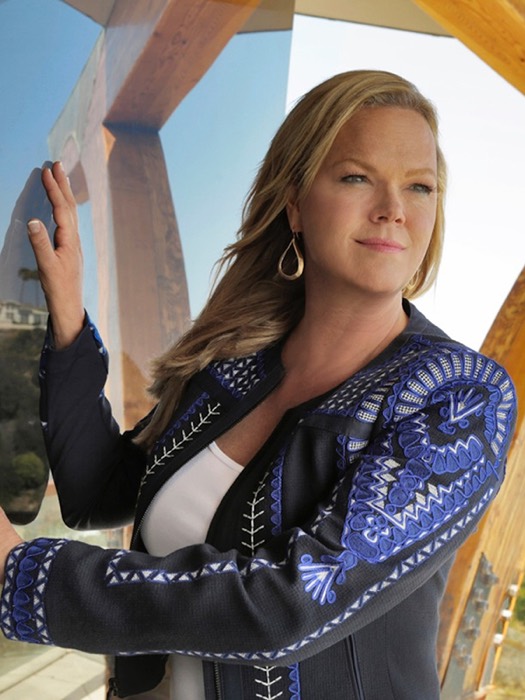
Kristen White
Kristen White is a media strategist, television producer, filmmaker, former TV news personality, and authority positioning expert with more than 20 years of experience helping entrepreneurs, authors, coaches, consultants, speakers, and thought leaders become more visible, recognizable, and trusted online.
She is the Founder of Orange Cat Media & Marketing, where she helps experts expand their visibility through streaming television, media appearances, authority positioning, LinkedIn growth, AI search optimization, podcast visibility, and strategic content development.
Through Orange Cat Media & Marketing, Kristen helps clients strengthen their digital authority across Google, LinkedIn, ChatGPT, streaming television, podcasts, and AI-powered search platforms.