


Visibility Culture rewarded emotional performance until audiences stopped believing anyone. Why polished vulnerability is killing trust, and what emotionally precise brands do instead.
Visibility Culture Rewarded Emotional Performance Until Audiences Stopped Believing Anyone
One of the strangest things happening inside Visibility Culture right now is that everybody keeps talking about authenticity while sounding increasingly manufactured.
That contradiction is becoming impossible not to notice.
You can feel it almost immediately now when somebody's vulnerability has been overly optimized, emotionally polished, strategically softened, and carefully arranged into a piece of "relatable content" designed to trigger emotional trust without risking actual honesty.
And honestly?
Audiences are becoming incredibly sensitive to it.
Not because people suddenly became cynical.
Not because emotion stopped mattering.
But because Visibility Culture discovered emotional leverage and then used it so aggressively that audiences slowly developed emotional resistance to performative sincerity.
That is the shift.
Because there is a difference between:
real emotional resonance
and
emotionally engineered relatability.
People can feel the difference now.
A lot of branding language today feels less like communication and more like emotional staging.
Not necessarily malicious.
Just…
exhaustingly aware of itself.
The dramatic pause. The vulnerable caption. The carefully imperfect selfie. The "raw truth" video filmed with suspiciously cinematic lighting. The emotional confession strategically placed three slides before the offer pitch.
At some point audiences started realizing:
"Oh. We are all being emotionally marketed to constantly."
That realization changes everything.
Visibility Culture Turned Vulnerability Into Performance
This is honestly one of the biggest branding shifts happening right now.
Vulnerability used to feel disruptive online because it felt human.
Then Visibility Culture rewarded it so aggressively that vulnerability itself became branding strategy.
Now entire personal brands are built around:
- curated openness,
- strategic healing narratives,
- performative transparency,
- and emotionally inflated storytelling designed to manufacture intimacy quickly.
And honestly?
A lot of it no longer feels emotionally real.
It feels rehearsed.
Not because people are "fake."
But because many creators unconsciously learned how to package emotional expression into a visibility formula.
That is where things started flattening emotionally.
Because once vulnerability becomes performance-aware, audiences stop relaxing into it emotionally.
They start analyzing it instead.
That is a huge psychological shift.
Audiences Are Exhausted by Emotionally Engineered Messaging
This is the part many brands still do not fully understand.
People are not emotionally disconnected because they lack inspiration.
They are emotionally overloaded.
Visibility Culture trained everybody to communicate at emotional intensity level ten all the time.
Every caption is:
- life-changing,
- soul-shifting,
- deeply healing,
- profoundly transformative,
- heart-centered,
- purpose-driven,
- authentic,
- aligned,
- empowering.
Meanwhile audiences are sitting in Target trying to buy shampoo while accidentally absorbing eighteen personal breakthrough stories before 9:15 a.m.
At some point people stop feeling emotionally moved and start feeling emotionally managed.
That distinction matters enormously.
Because modern audiences are becoming deeply sensitive to:
- manufactured emotion,
- emotional inflation,
- and emotionally engineered language pretending to be depth.
Honestly?
A lot of modern branding now feels like emotional theater wrapped in beige Canva templates.
And people can feel it.
Performative Sincerity Quietly Kills Trust
This is where things become dangerous for brands.
Because trust is no longer built through polished emotional language alone.
Trust is increasingly built through:
- specificity,
- clarity,
- recognizable perspective,
- emotional precision,
- observational intelligence,
- and communication that actually sounds lived-in.
That is why certain people suddenly feel magnetic online.
Not because they are louder.
Not because they are more vulnerable.
Not because they mastered "storytelling frameworks."
They sound emotionally real.
There is texture in their communication.
Specificity. Imperfection. Humor. Perspective. Actual humanity.
Meanwhile many brands sound so emotionally optimized they almost stop sounding human altogether.
Everything becomes:
- carefully intentional,
- carefully vulnerable,
- carefully authentic,
- carefully imperfect,
- carefully emotional.
And honestly?
Carefully emotional usually feels emotionally distant.
That is the irony nobody talks about enough.
Visibility Culture Rewarded Safety Until Everybody Became Forgettable
This is another huge issue quietly happening online.
A lot of people are so terrified of saying the wrong thing, sounding too direct, appearing imperfect, offending somebody, being misunderstood, or losing marketability that their communication slowly becomes emotionally neutral.
Safe. Filtered. Brand-approved. Emotionally beige.
And honestly?
Emotionally beige content is becoming one of the biggest forms of invisibility online.
Because memorable communication usually contains:
- specificity,
- contrast,
- perspective,
- emotional honesty,
- unexpected observations,
- recognizable voice.
Not sanitized universal language trying desperately to offend absolutely nobody.
The irony is that many people are trying so hard to appear universally likable that they stop sounding like anyone recognizable at all.
That is brand death.
Because audiences do not emotionally connect to:
perfect branding.
They connect to:
recognizable humanity.
The Future Belongs to Emotionally Precise Brands
Honestly?
I think the next era of authority belongs to people willing to communicate more honestly and less theatrically.
Less emotional inflation. Less performative depth. Less inspirational vocabulary stretched so far it no longer activates anything emotionally real.
More:
- specificity,
- perspective,
- recognizable communication,
- clear observations,
- emotional intelligence,
- and language that actually sounds connected to lived experience.
Because people are starving for communication that feels emotionally believable again.
Not optimized humanity.
Actual humanity.
And honestly?
That may become one of the most valuable authority advantages in Visibility Culture over the next decade.
The brands people remember will probably not be the loudest ones.
They will be the ones that finally sound real again.
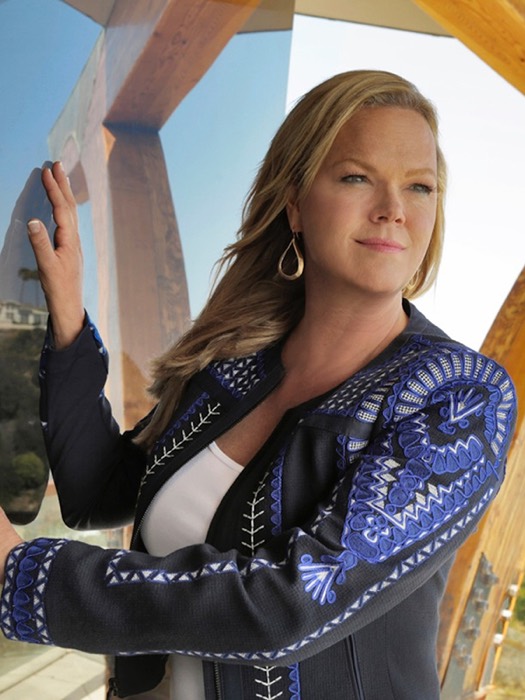
Kristen White
Kristen White is a media strategist, television producer, filmmaker, former TV news personality, and authority positioning expert with more than 20 years of experience helping entrepreneurs, authors, coaches, consultants, speakers, and thought leaders become more visible, recognizable, and trusted online.
She is the Founder of Orange Cat Media & Marketing, where she helps experts expand their visibility through streaming television, media appearances, authority positioning, LinkedIn growth, AI search optimization, podcast visibility, and strategic content development.
Through Orange Cat Media & Marketing, Kristen helps clients strengthen their digital authority across Google, LinkedIn, ChatGPT, streaming television, podcasts, and AI-powered search platforms.