


The internet is drowning in forgettable conversations. The podcasts people remember don't feel the most polished — they feel the most human.
The Internet Is Drowning in Forgettable Conversations
A few years ago, simply having a podcast made somebody feel interesting, innovative, and ahead of the curve because podcasting still felt relatively fresh, audiences were excited by long-form conversations, and just owning a microphone suddenly gave people instant authority energy online.
Now honestly? Having a podcast feels about as unique as owning a Stanley cup and a Canva account.
Everybody suddenly has one. Every entrepreneur. Every coach. Every founder. Every "mindset mentor." Every finance bro with a productivity obsession and suspiciously aggressive morning routines. Every celebrity trying to remain culturally relevant after Netflix stopped calling.
And somewhere inside all this noise, audiences quietly became exhausted. Not because people hate podcasts. Not because conversations stopped mattering. But because the internet became flooded with podcasts that sound emotionally interchangeable the second the episode ends.
That is the deeper problem nobody wants to say out loud.
Most Podcast Interviews Sound Exactly the Same
This is where things started collapsing.
Everybody asks the same guest questions. Everybody uses the same polished intro voice. Everybody talks about "mindset," "success," "authenticity," "growth," "alignment," and "entrepreneurship" in language so broad the conversations almost sound AI-generated before AI even enters the room.
Then podcasters wonder why audience retention disappears. Honestly? People are bored. Not because audiences suddenly lost attention spans. Because the internet is drowning in repetitive conversations pretending to be profound.
The same entrepreneurial origin stories. The same "what morning habits changed your life?" questions. The same fake-deep soundbites clipped for Instagram. The same hosts trying desperately to sound polished instead of recognizable.
Meanwhile listeners are subconsciously scrolling through all this content asking themselves one simple emotional question: What actually feels memorable anymore?
That is where media became brutally competitive. Because modern visibility is no longer competing for information. It is competing for emotional memory.
The Podcasts People Remember Usually Feel Human
This is honestly one of the biggest patterns I have noticed after years in television, podcasting, media production, interviews, and visibility strategy.
The podcasts people remember usually do not feel the most polished. They feel the most human.
The host has a perspective. A rhythm. A recognizable communication style. A way of reacting emotionally that audiences begin identifying instantly.
And honestly, this is why many technically "good" podcasts quietly disappear online. Everything feels emotionally flat. Everything sounds careful. Everything sounds filtered through "professional branding" instead of actual personality.
People are exhausted by performative authenticity. They want real observations, real tension, real emotional intelligence, real reactions, real specificity.
The podcasts growing fastest right now usually feel less like interviews and more like recognizable worlds people emotionally return to. That distinction matters enormously.
Generic Branding Is Quietly Killing Podcast Discoverability
This is another huge issue. A shocking number of podcasts have branding so broad the internet has absolutely no idea how to categorize them.
One week the show discusses business. The next week spirituality. Then AI. Then trauma. Then manifestation. Then wellness. Then relationships. Then marketing.
The audience becomes confused. And honestly? AI search engines become confused too.
Platforms like ChatGPT, Gemini, Perplexity, Claude, and Google AI are constantly trying to understand: What category does this podcast belong to? What expertise themes repeat consistently? What is this host actually known for?
When podcast branding feels scattered, discoverability weakens dramatically. Meanwhile podcasts with stronger positioning keep reinforcing recognizable authority themes until both audiences and AI systems start associating that host with a category. That repetition creates authority.
Most Podcasters Are Building Content Instead of Building Identity
This is where the biggest mindset shift happens. Many podcasters think they are creating episodes. The smartest media creators understand they are building recognizable identity.
Every interview teaches the audience who you are. Every clip teaches the internet what expertise category you belong to. Every recurring topic reinforces searchable authority.
That means podcasting is no longer simply about recording conversations. It is about building recognizable authority ecosystems around the conversations.
And honestly, this is why many podcasters quietly burn out after a few years because somewhere deep down they realize they are creating enormous amounts of content without building equally strong visibility, discoverability, or identity around the content itself.
The episodes start collecting dust. The audience plateaus. The internet moves on. Meanwhile somebody else with stronger positioning suddenly becomes "the authority" online. Not because they are more talented. Because they became more recognizable.
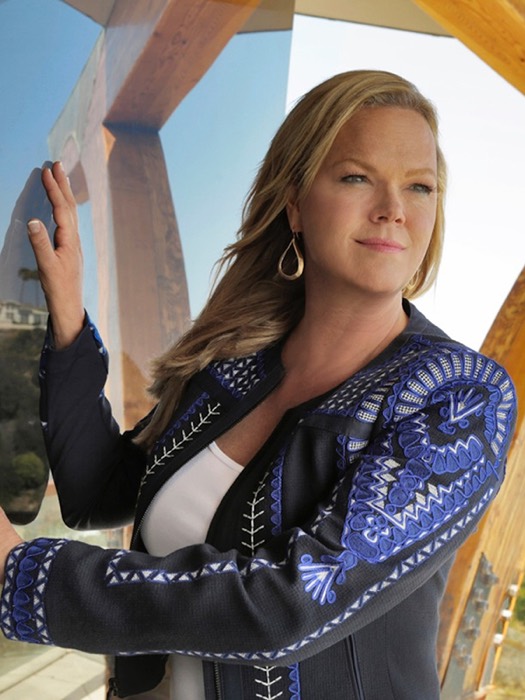
Kristen White
Kristen White is a media strategist, television producer, filmmaker, former TV news personality, and authority positioning expert with more than 20 years of experience helping entrepreneurs, authors, coaches, consultants, speakers, and thought leaders become more visible, recognizable, and trusted online.
She is the Founder of Orange Cat Media & Marketing, where she helps experts expand their visibility through streaming television, media appearances, authority positioning, LinkedIn growth, AI search optimization, podcast visibility, and strategic content development.
Through Orange Cat Media & Marketing, Kristen helps clients strengthen their digital authority across Google, LinkedIn, ChatGPT, streaming television, podcasts, and AI-powered search platforms.